From first line to a considered form
A drawing can explain an idea. A visual study can explore its character. CAD can examine the form. None of these alone proves that a piece has been made.
Three rings, drawn
A short film for each Culm ring. Silent, with its words on screen.
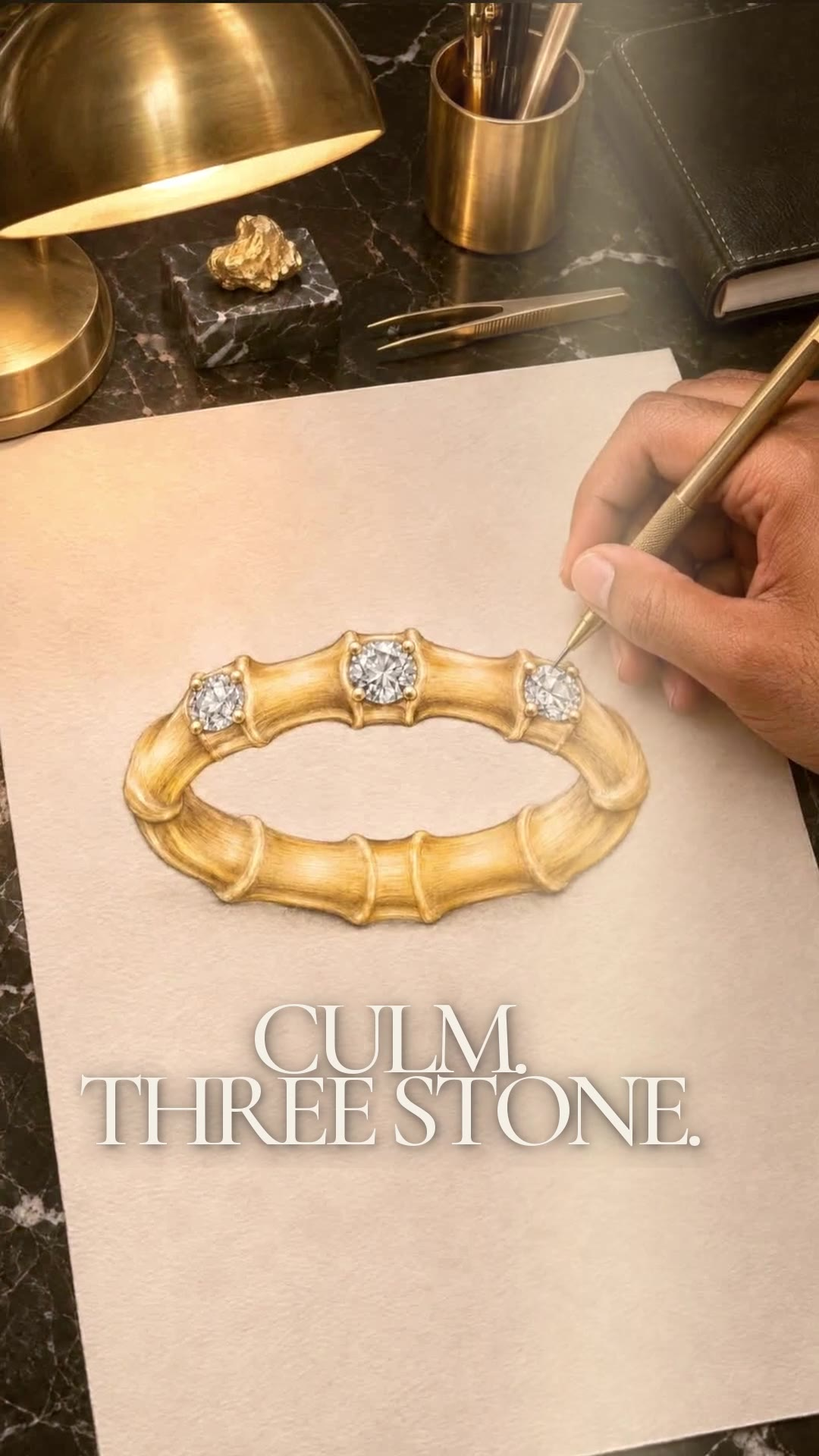

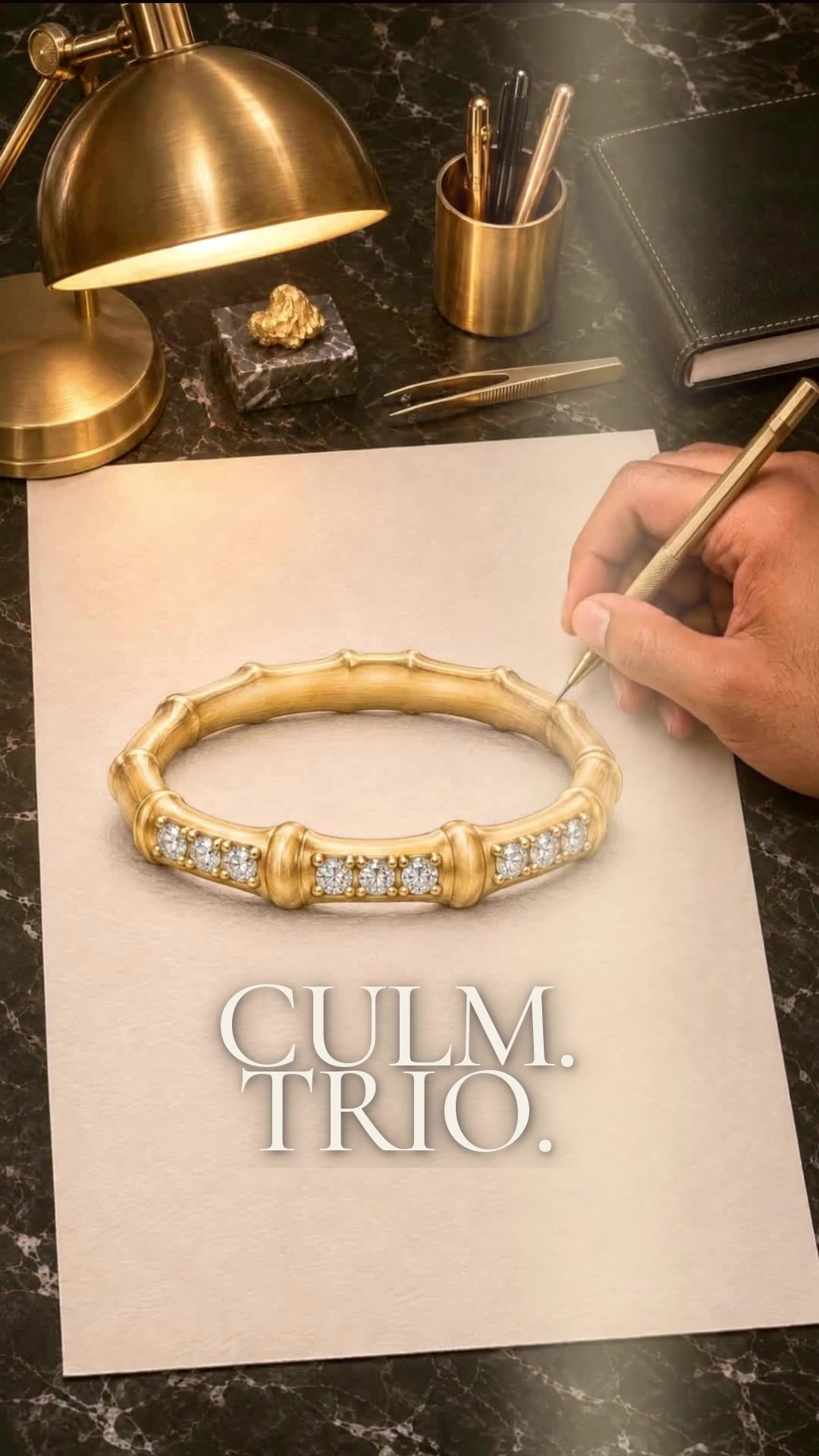
One ring, Culm Spaced, followed through each stage.
-
Drawing
Find the idea. Graphite, colour and concept studies record the starting point. Earlier artwork is identified where it differs from the current direction.
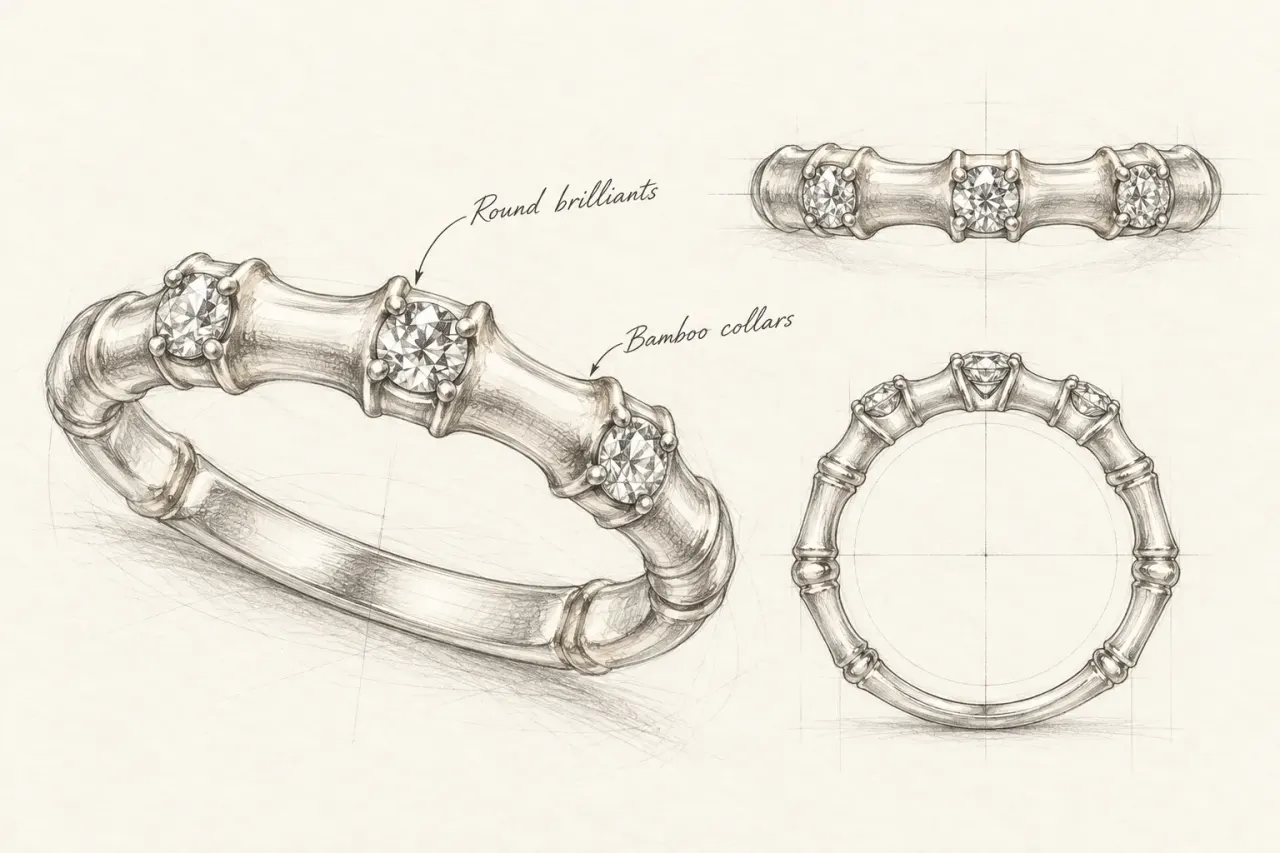
Graphite concept, three viewsArtistic graphite study based on the current design references. View geometry and settings remain illustrative; this is not a measured CAD drawing. -
Visual study
Explore the character. Material and lighting studies show possible appearances. Captions say which images are illustrations, which are concepts and which come from CAD.
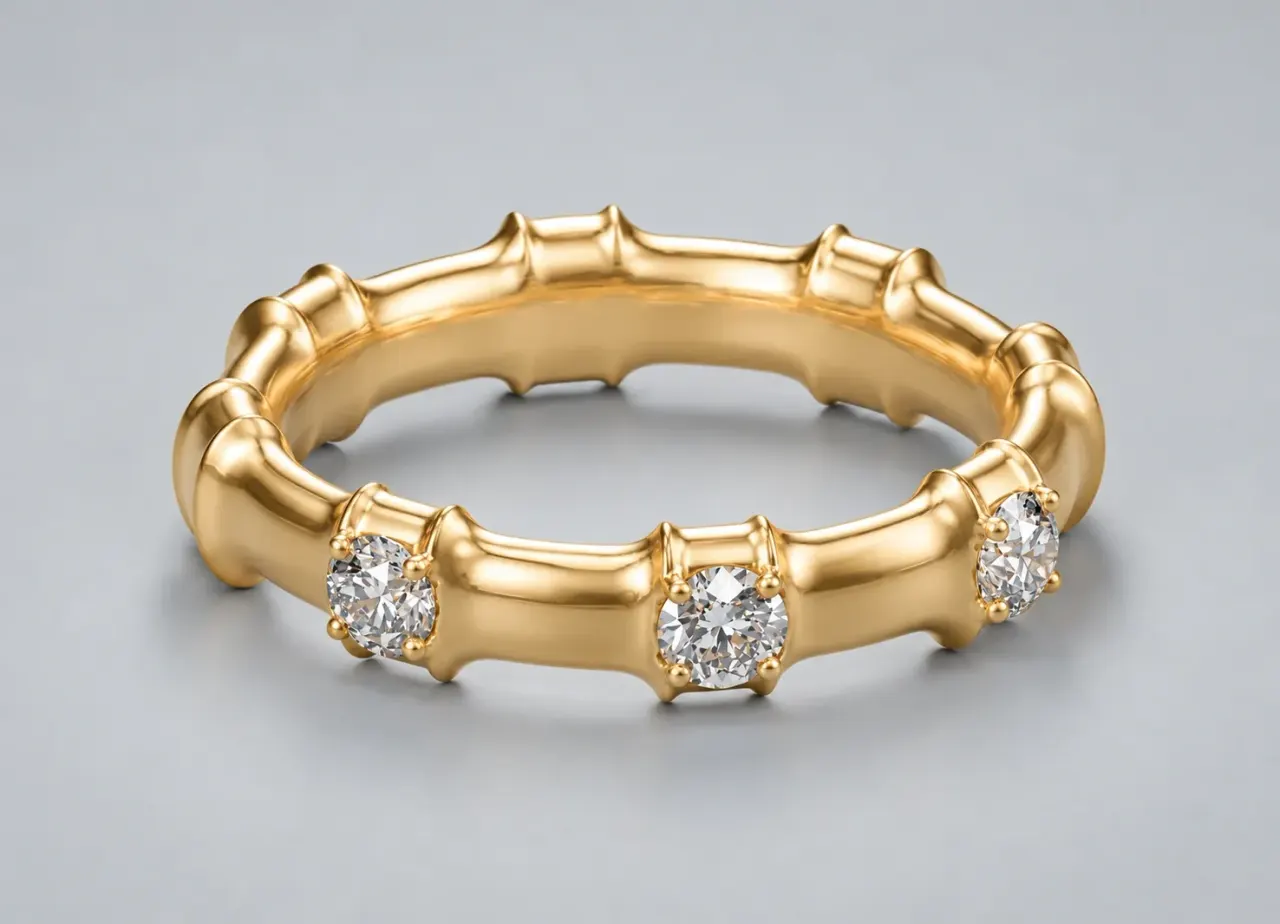
Gold / diamondAI studio visualisation based on the existing design. Materials, facets and settings are illustrative; geometry requires CAD verification. -
Development CAD
Examine the form. The model can be turned and inspected. Display stones and materials are illustrative, with setting and engineering checks still required.
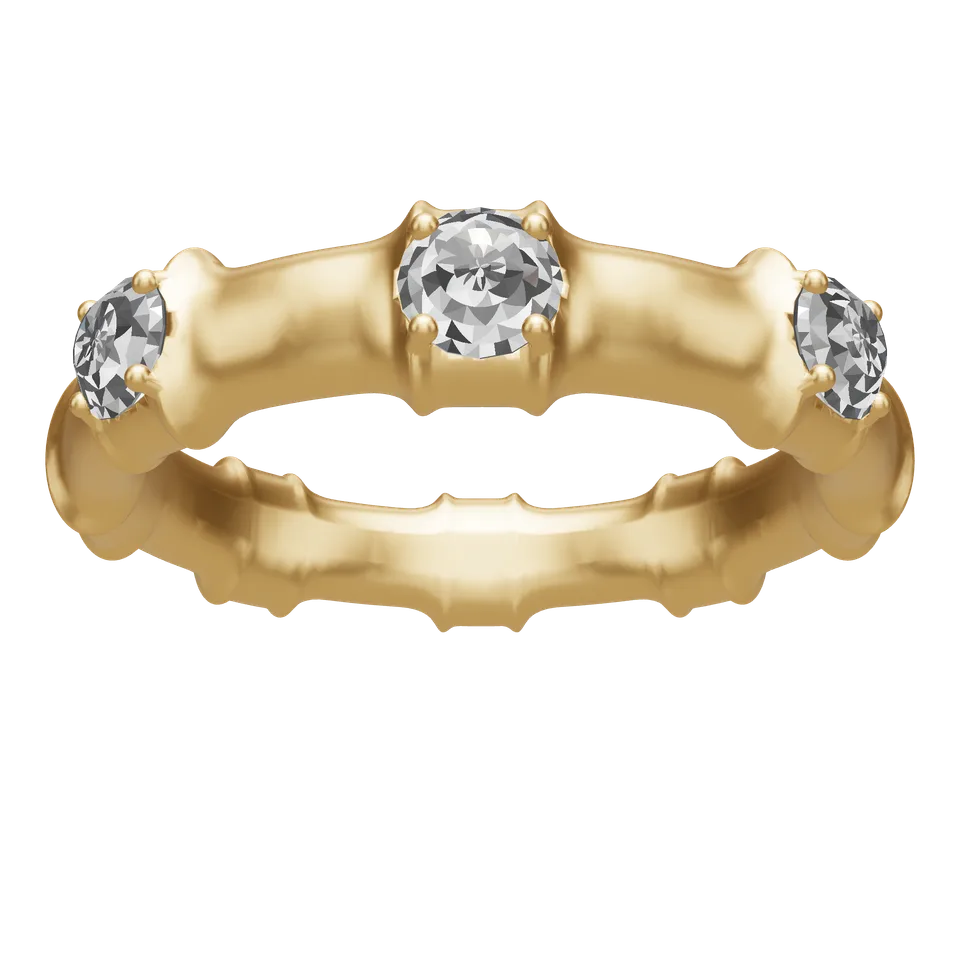
The ring turns by itself. Drag it sideways, or use the arrow keys on this slider, to turn it yourself.
Existing three-stone development geometry with the two requested material appearances. Gemstones are idealised envelopes.
-
Before making
Review before making. Measured sizing, actual stones, specialist review and an approved physical prototype are the next steps. They are not yet done, and nothing on this site claims they are.


See it in every ring
Each ring page runs in the same order: drawing, development drawing, render, and the form to turn.